Metabolic Research
Peptides and analogs studied for their effects on appetite, glucose regulation, and body-weight pathways.
 INVESTIGATIONAL — IN CLINICAL TRIALS
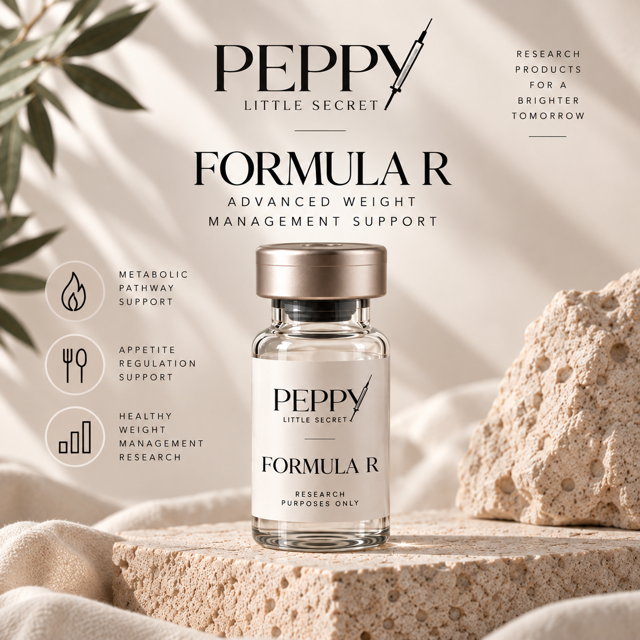
Formula R
A triple hormone-receptor agonist in Phase 3 clinical trials for obesity and related metabolic conditions.
READ THE RESEARCH →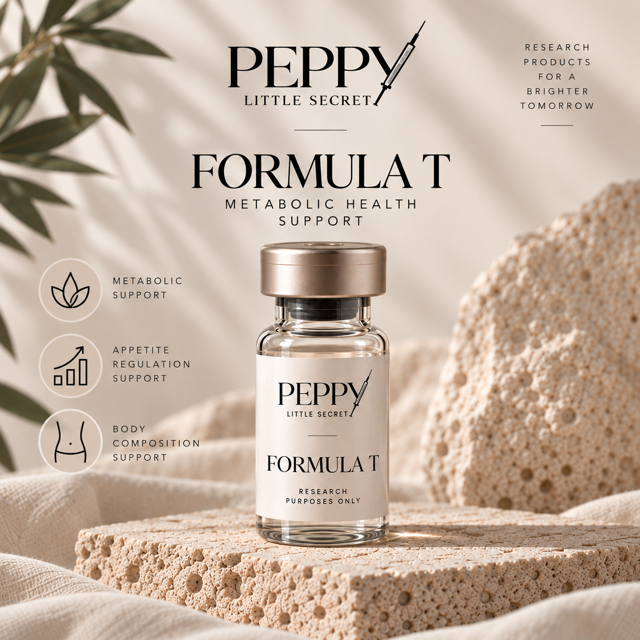 FDA-APPROVED FOR A SPECIFIC USE
Formula T
A dual GLP-1/GIP receptor agonist, FDA-approved under specific brand names for type 2 diabetes and chronic weight management.
READ THE RESEARCH →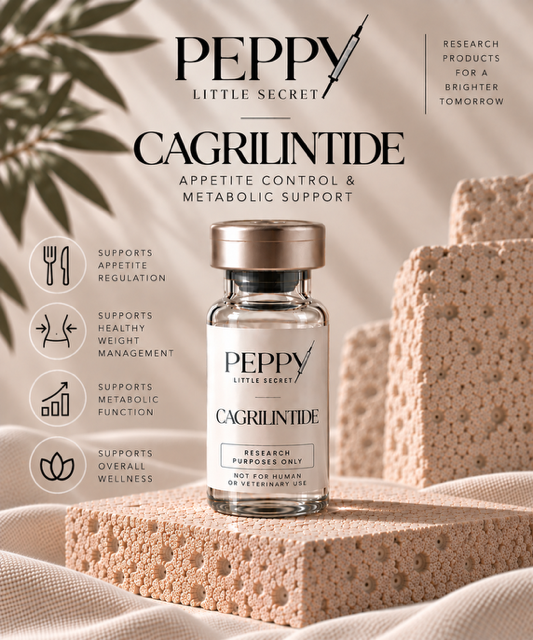 INVESTIGATIONAL — IN CLINICAL TRIALS
Cagrilintide
A long-acting amylin analog studied in combination with GLP-1 therapies for weight management.
READ THE RESEARCH →Recovery & Tissue Research
Peptides studied in preclinical models for tissue repair and recovery-related pathways.
 NOT FDA-APPROVED FOR ANY USE
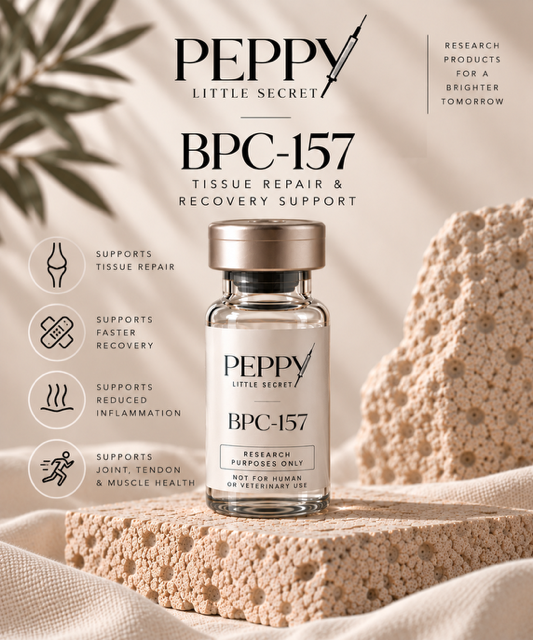
BPC-157
A synthetic peptide fragment studied in preclinical models for gut and tissue-healing pathways.
READ THE RESEARCH →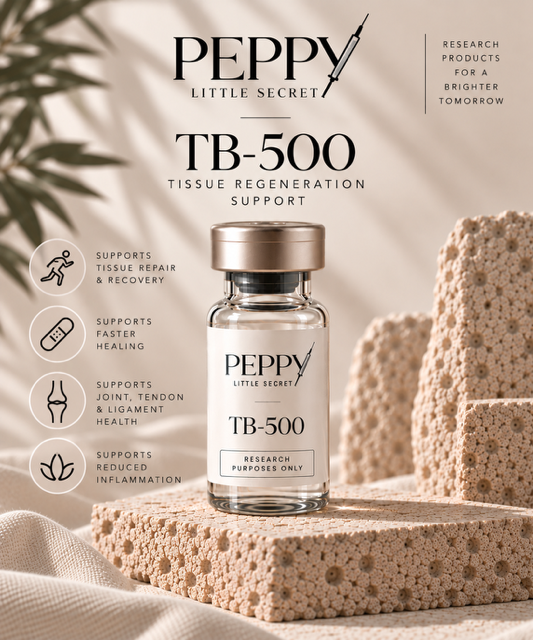 NOT FDA-APPROVED FOR ANY USE
TB-500
A synthetic peptide related to thymosin beta-4, studied in preclinical models of tissue repair.
READ THE RESEARCH →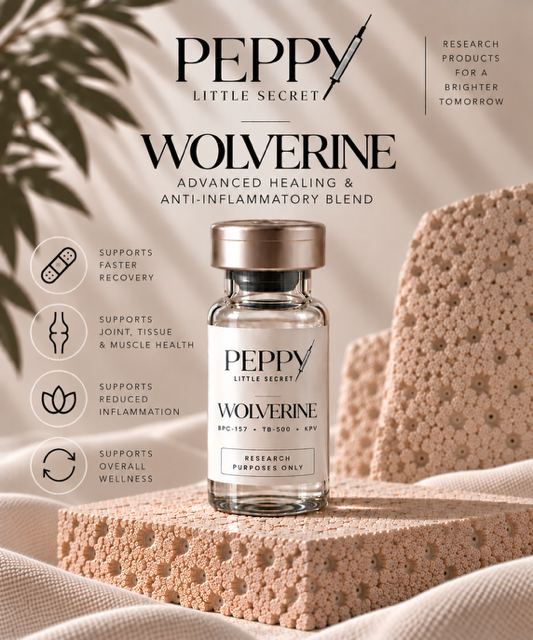 NOT FDA-APPROVED FOR ANY USE
Wolverine Blend
A blend combining BPC-157 and TB-500, two peptides studied separately in preclinical tissue-repair research.
READ THE RESEARCH →Cellular & Mitochondrial Research
Compounds studied for roles in cellular energy metabolism and mitochondrial function.
 NOT FDA-APPROVED FOR ANY USE
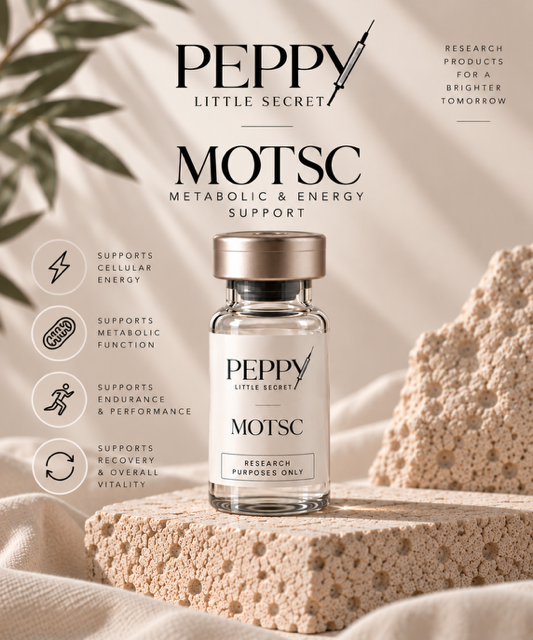
MOTS-c
A mitochondrial-derived peptide studied for its role in cellular energy metabolism.
READ THE RESEARCH →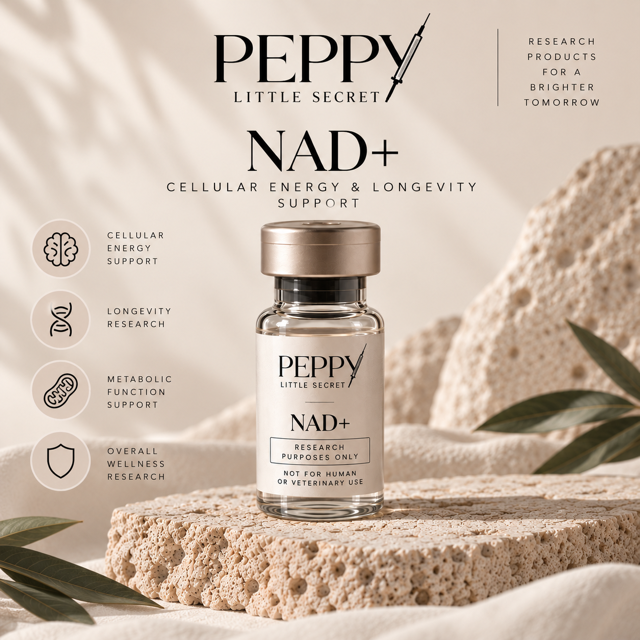 NOT FDA-APPROVED FOR ANY USE
NAD+
A naturally occurring coenzyme central to cellular energy metabolism, studied in the context of aging and metabolic health.
READ THE RESEARCH →Skin & Hair Research
Copper peptides and related compounds studied in dermatological and tissue-remodeling research.
 NOT FDA-APPROVED FOR ANY USE
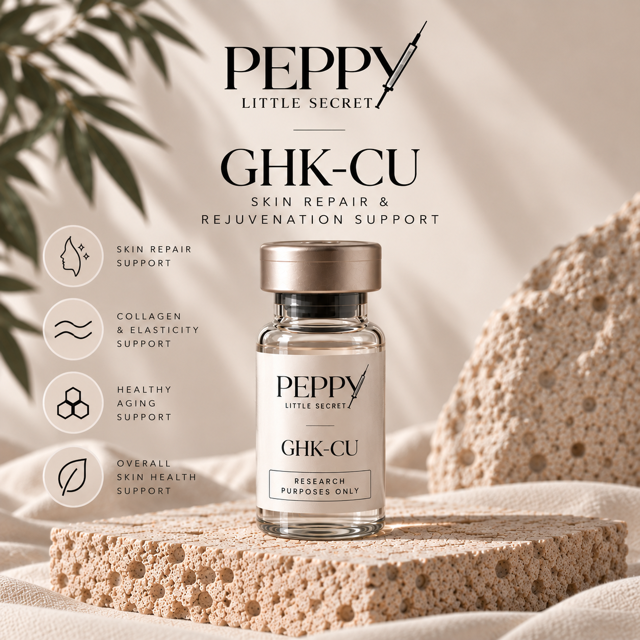
GHK-Cu
A naturally occurring copper peptide studied in dermatological and tissue-remodeling research.
READ THE RESEARCH →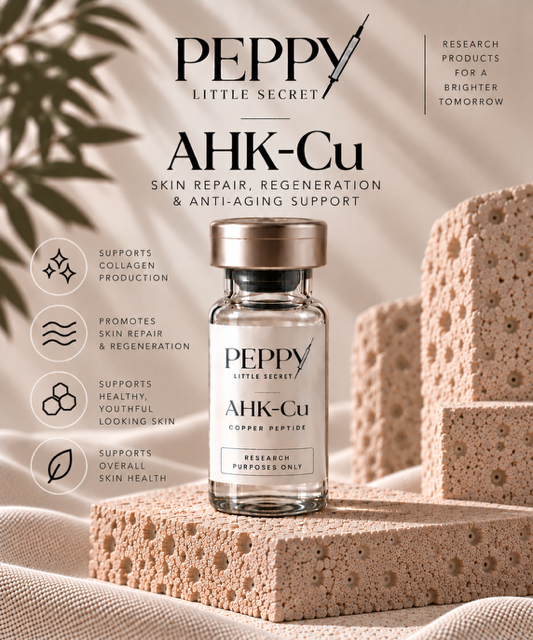 NOT FDA-APPROVED FOR ANY USE
AHK-Cu
A copper tripeptide structurally related to GHK-Cu, studied in early cosmetic and dermatological research.
Needs formulation info READ THE RESEARCH →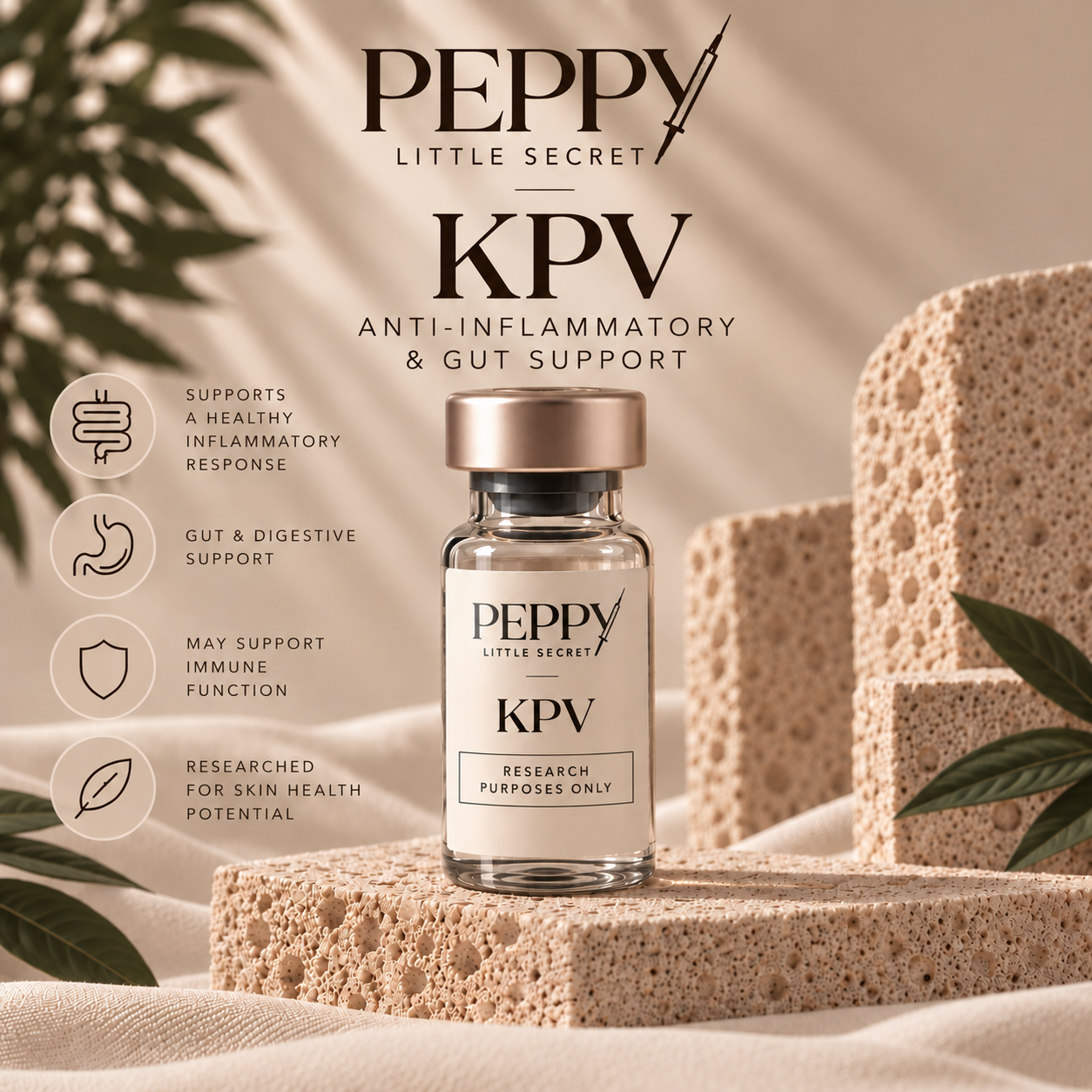 NOT FDA-APPROVED FOR ANY USE
KPV
A tripeptide fragment of alpha-MSH studied preclinically for anti-inflammatory signaling.
READ THE RESEARCH →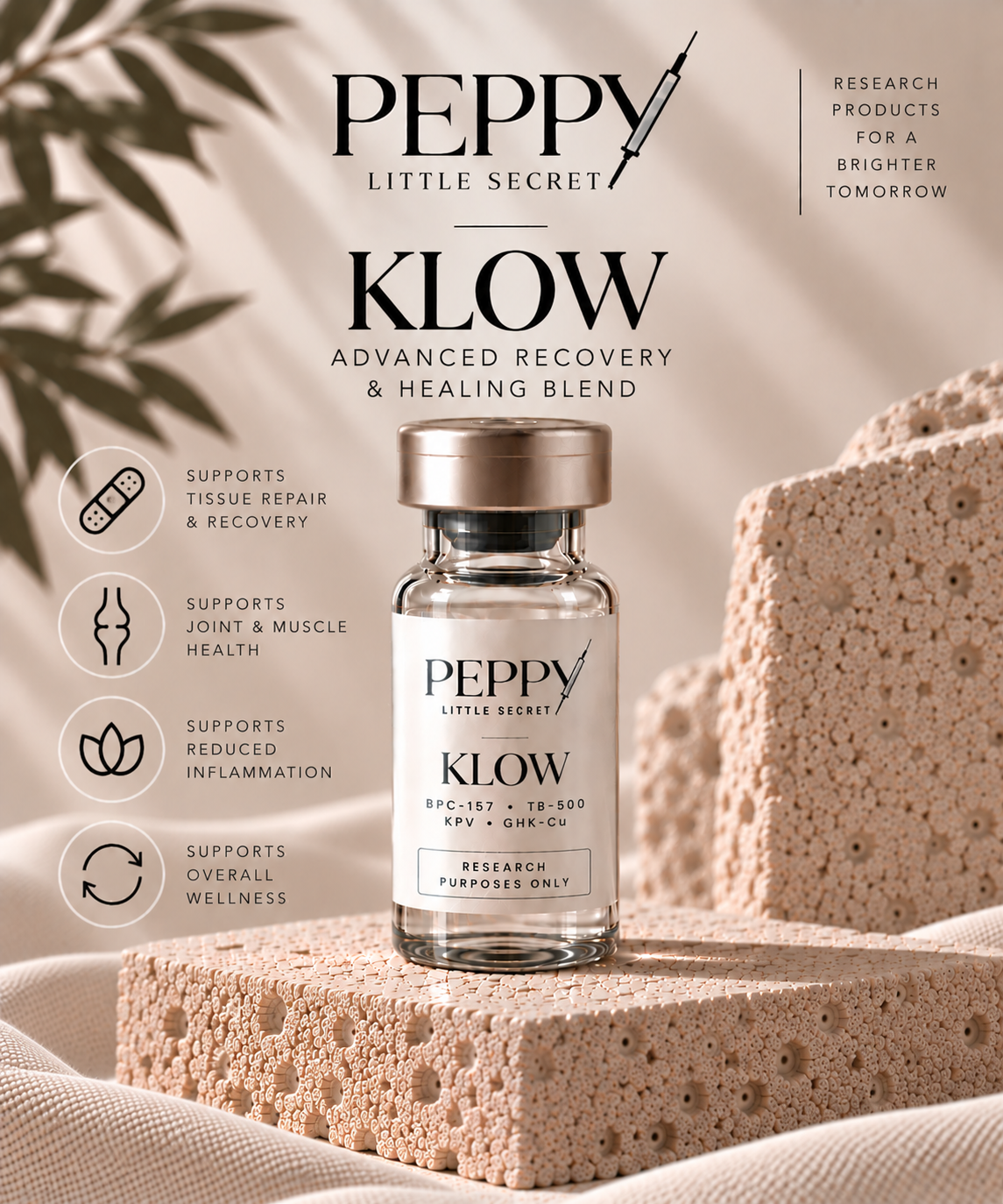 NOT FDA-APPROVED FOR ANY USE
KLOW
A blend combining KPV, GHK-Cu, BPC-157, and TB-500 — four peptides each studied separately in preclinical research.
READ THE RESEARCH →Neuro / Signaling Research
Peptides studied for effects on growth-hormone signaling, stress response, and cognitive pathways.
 NOT FDA-APPROVED FOR ANY USE
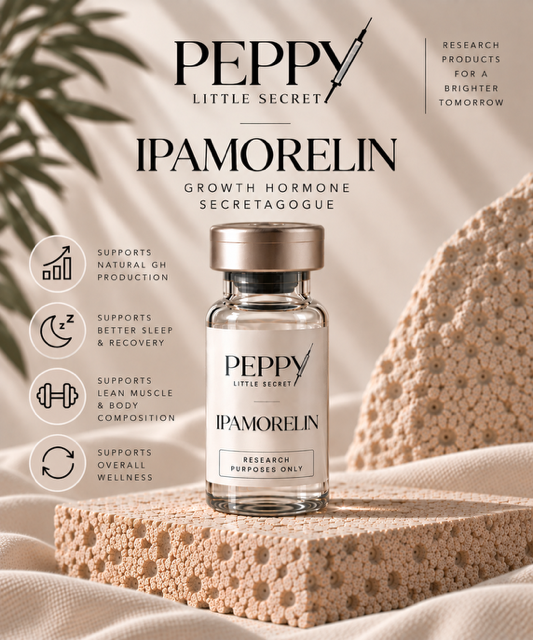
Ipamorelin
A selective growth-hormone secretagogue studied for its effects on growth hormone release.
READ THE RESEARCH →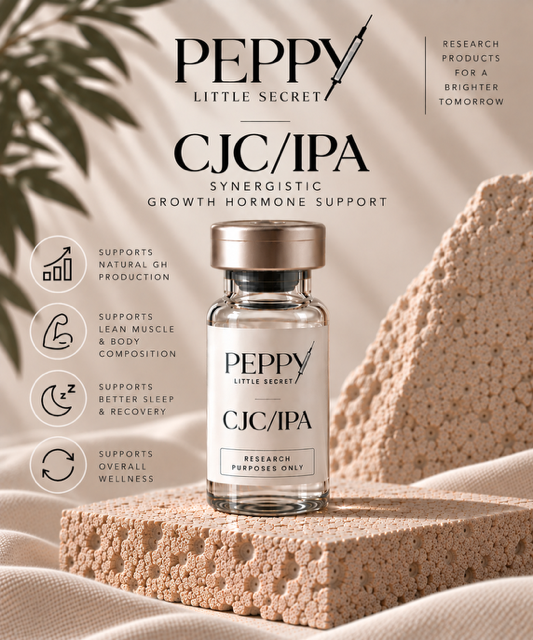 NOT FDA-APPROVED FOR ANY USE
CJC-1295 / Ipamorelin
A combination of a GHRH analog (CJC-1295) and a growth-hormone secretagogue (ipamorelin), studied together for additive effects on growth hormone release.
READ THE RESEARCH →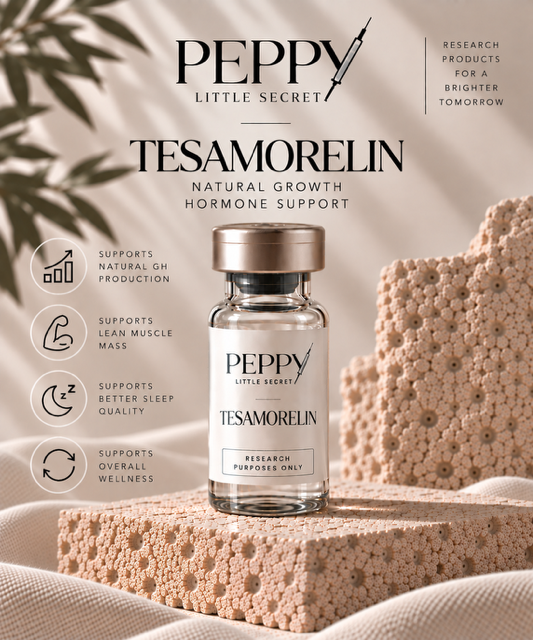 FDA-APPROVED FOR A SPECIFIC USE
Tesamorelin
A GHRH analog FDA-approved under the brand name Egrifta for reducing excess abdominal fat in HIV-associated lipodystrophy.
READ THE RESEARCH → NOT FDA-APPROVED FOR ANY USE
Selank
A synthetic peptide developed in Russia and studied there for anxiolytic and nootropic effects; not FDA-approved.
READ THE RESEARCH →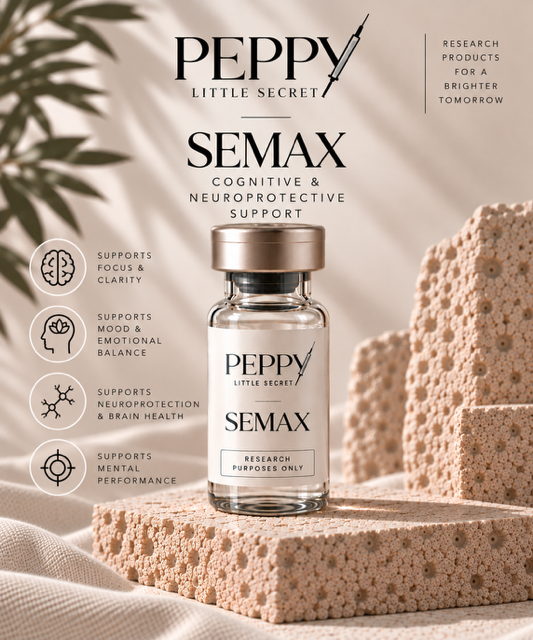 NOT FDA-APPROVED FOR ANY USE
Semax
A synthetic peptide developed in Russia and studied there for cognitive and neuroprotective effects; not FDA-approved.
READ THE RESEARCH →Reproductive & Hormone Signaling Research
Peptides studied for roles in sexual function and reproductive hormone signaling.
 FDA-APPROVED FOR A SPECIFIC USE
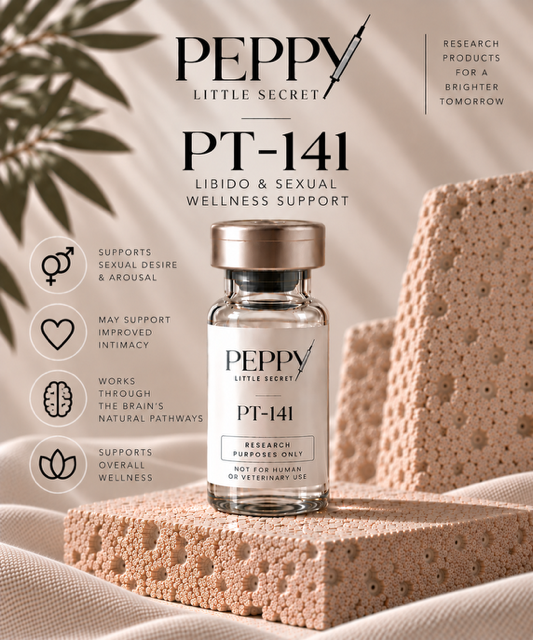
PT-141 / Bremelanotide
A melanocortin receptor agonist FDA-approved under the brand name Vyleesi for hypoactive sexual desire disorder in premenopausal women.
READ THE RESEARCH →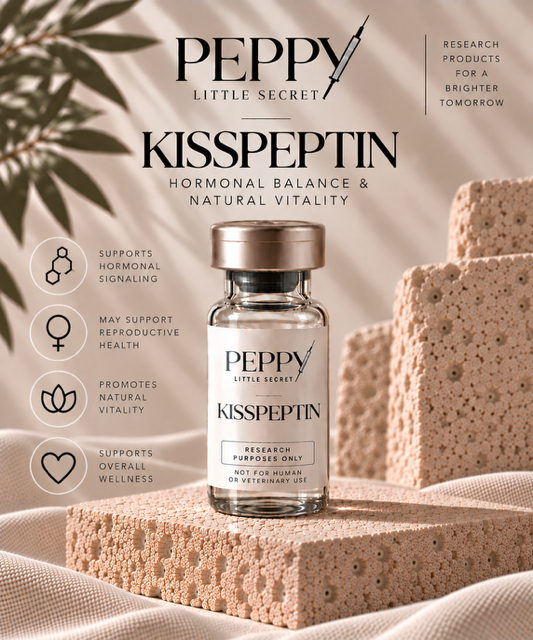 NOT FDA-APPROVED FOR ANY USE
Kisspeptin
A naturally occurring hormone studied for its central role in regulating reproductive hormone signaling.
READ THE RESEARCH →Research Support
Common laboratory and compounding adjuncts referenced in research contexts.
 FDA-APPROVED FOR A SPECIFIC USE
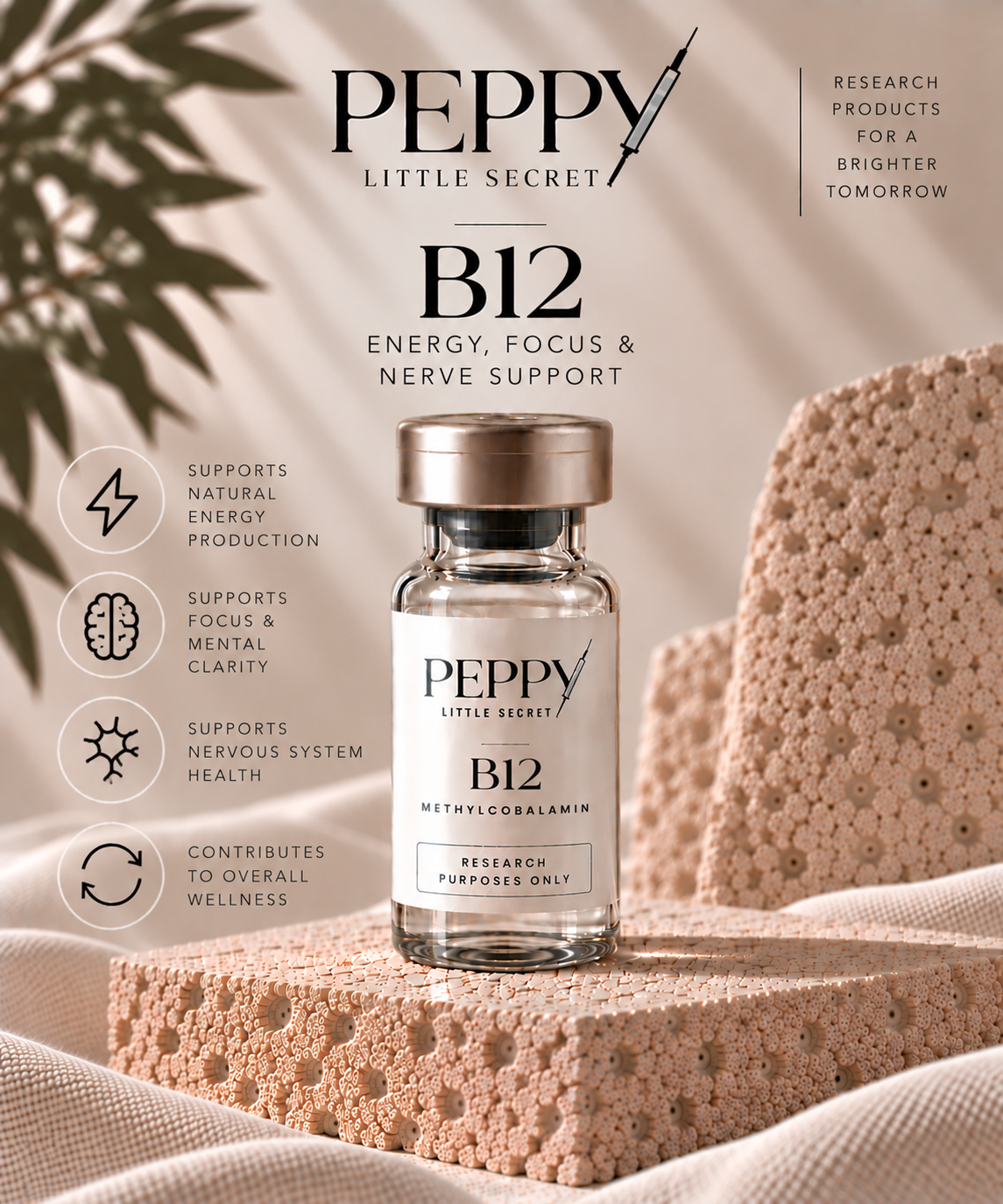
Vitamin B12
An essential vitamin available both as an FDA-regulated prescription injectable for diagnosed deficiency and as an over-the-counter dietary supplement.
READ THE RESEARCH →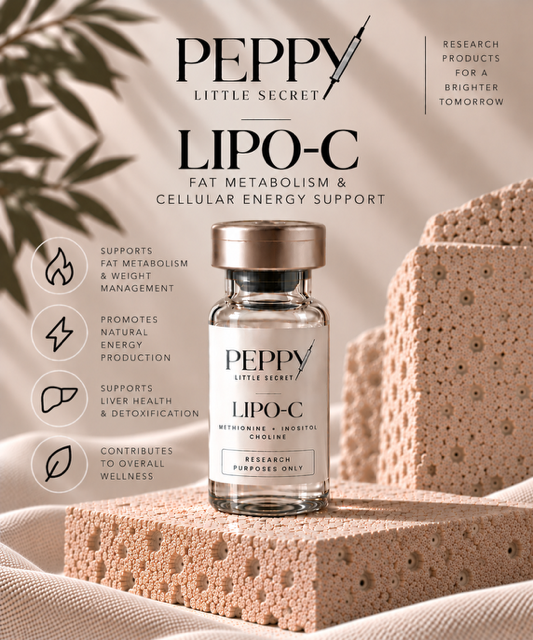 NOT FDA-APPROVED FOR ANY USE
Lipo-C
A name commonly used for injectable lipotropic-nutrient blends; formulations vary and are not FDA-approved as weight-loss drugs.
READ THE RESEARCH →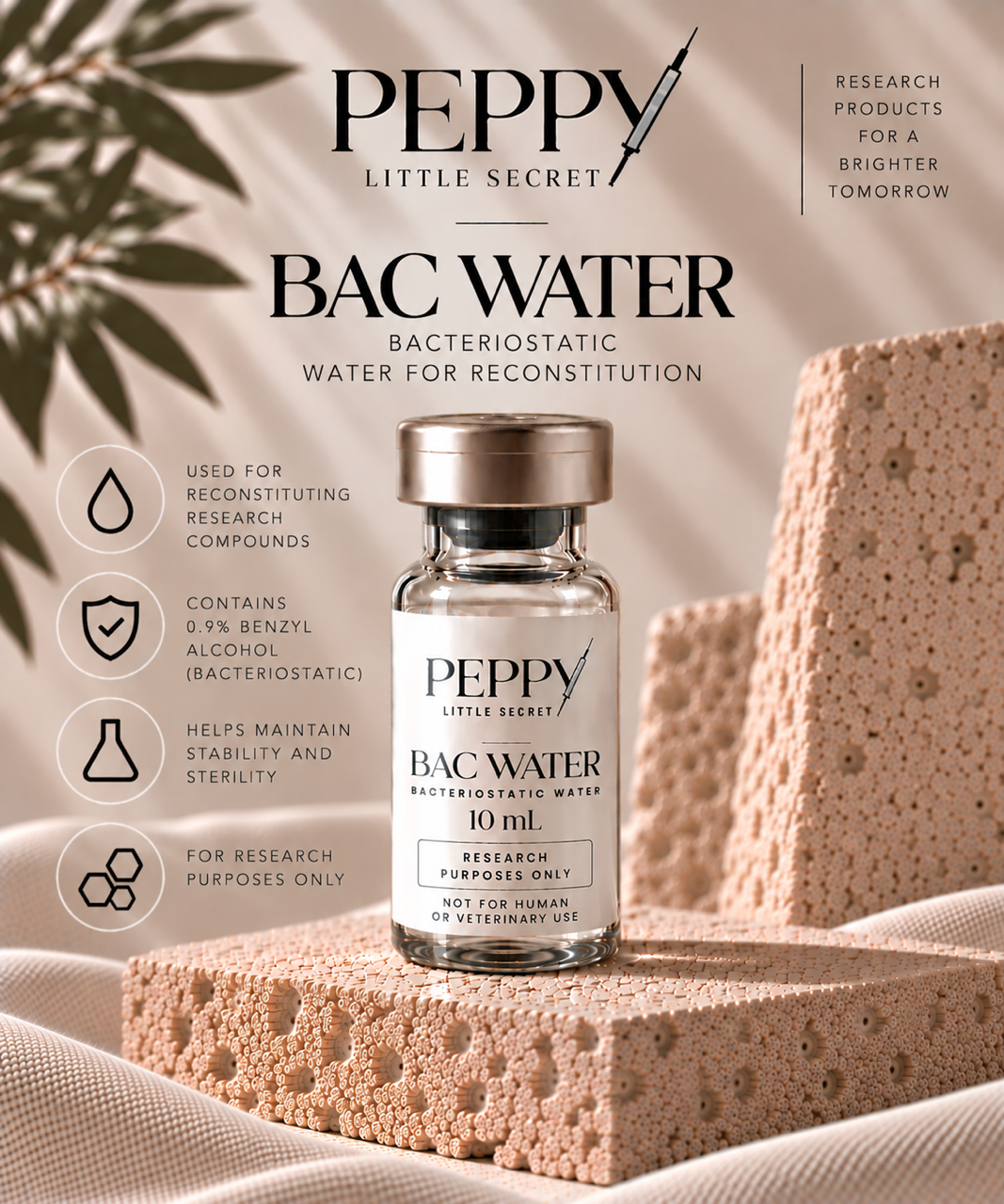 FDA-APPROVED FOR A SPECIFIC USE
Bacteriostatic Water
Sterile water containing a small amount of benzyl alcohol, FDA-regulated as a multi-dose diluent for pharmaceutical and laboratory reconstitution.
READ THE RESEARCH →